
In California, 2025 is shaping up to be a pivotal year for businesses dealing with encampments, loitering, and unwanted activity on their property. For years, the balance between compassion and protection left many business owners feeling stuck—unable to act, even as their properties were overrun.
But recent changes to California trespassing laws are providing clearer legal ground for enforcement, especially when it comes to homeless encampments on private or semi-public property.
If you’re a business owner, property manager, or community stakeholder, this guide will walk you through:
- What’s changed in California trespassing law
- What your legal rights are in 2025
- How to take action without crossing the line
- What support you can (and should) expect from local enforcement
- How partnering with the right security company can make all the difference
Why the Changes Matter in 2025
California lawmakers, responding to public pressure and rising safety concerns, have amended trespassing enforcement statutes to give cities, law enforcement, and private property owners more tools to address encampments and repeat trespassers—while still respecting the legal rights of unhoused individuals.
While the state still prohibits criminalizing homelessness broadly, the updated laws clarify that unauthorized camping, squatting, or lingering on private property is enforceable—especially when it interferes with business operations, sanitation, or public safety.
In addition, cities such as Stockton, Sacramento, and San Diego are rolling out stricter local ordinances in coordination with state policy, targeting specific high-activity zones near schools, commercial corridors, and industrial parks.
The message is clear: Business owners are no longer powerless.
Understanding California Trespassing Law in 2025
The California Penal Code § 602 remains the legal foundation for most trespassing cases. However, the 2025 revisions (pending and enacted) include expanded definitions and clearer pathways for business owners to:
- Request law enforcement removal of encampments on private property
- File formal complaints when trespassing leads to business disruption
- Enforce “no trespassing” signage and written warnings more quickly
- Utilize certified private security to support documentation and enforcement
According to legal updates published by the California Legislative Information Office, new clarifications also prioritize enforcement when public health or safety is compromised—including exposure to biohazards, blocked exits, or aggressive behavior from individuals refusing to leave.
This means if a person is camping outside your building entrance or intimidating customers, you’re now on stronger legal footing to act—if you do so the right way.
Enforcement Starts With Proper Documentation
Before calling law enforcement or posting notices, make sure your property is properly marked.
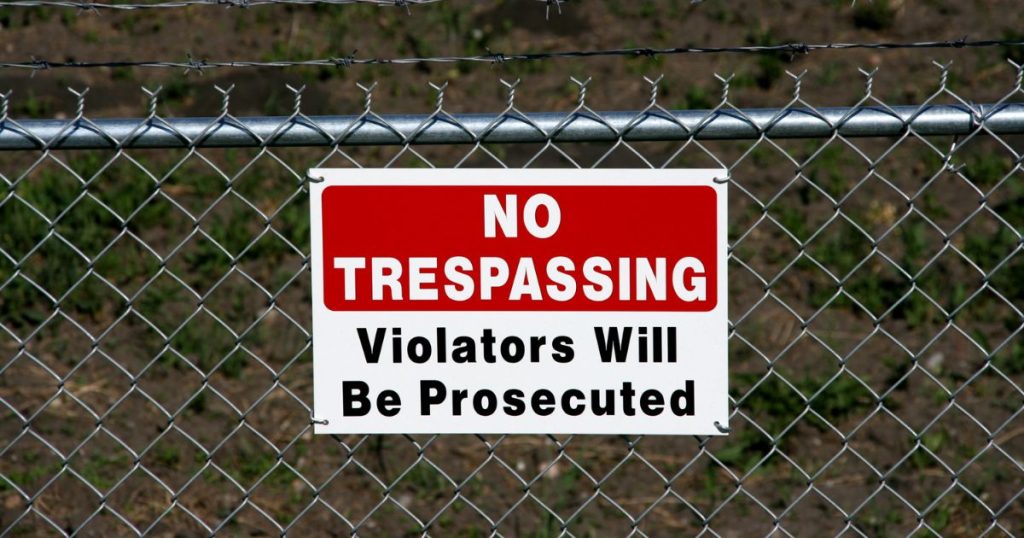
- Post “No Trespassing” Signs
- Signs should be clearly visible, placed at all entrances and along the perimeter.
- They must include specific language referencing California Penal Code § 602.
- File a Letter of Agency (LOA)
- This allows police to act on your behalf when you’re not on-site.
- Many departments now offer online LOA submissions and update reminders.
- See the Stockton Police Department LOA Form for a local example.
- Keep a Log of Incidents
- Take photos or videos of unauthorized entry, damages, or disturbances.
- Note times, descriptions, and any interactions (especially if warnings were given).
This documentation can support both criminal complaints and insurance claims, while also giving law enforcement the justification needed to act.
What the Law Allows (And What It Doesn’t)
You CAN:
- Request police removal of unauthorized individuals or encampments
- Post signage and restrict access to parking lots, loading docks, or entrances
- Use private security to enforce access control and document violations
- Pursue civil trespass charges in ongoing or high-damage cases
You CANNOT:
- Use force or threats to remove individuals yourself
- Destroy or dispose of belongings (even if they appear abandoned)
- Evict unhoused individuals from public land (only municipalities can do this)
- Block sidewalks or public right-of-ways without city approval
Staying within these lines protects your business from liability while giving you more leverage in handling chronic issues.
How Delta Protective Supports Lawful Enforcement
At Delta Protective Services, we’ve spent more than 30 years helping businesses across California lawfully navigate trespassing concerns and high-risk activity zones.
Here’s how we support our clients under the updated law:
- Certified Incident Reporting: Our patrol officers log trespassing attempts, interactions, and violations with time-stamped detail that holds up in court.
- BSIS-Licensed Patrols: All officers are trained to interact respectfully but assertively—de-escalating where possible, and notifying law enforcement when needed.
- Proactive Prevention: Visible patrol vehicles and uniformed officers prevent many issues before they start.
- Letter of Agency Setup Assistance: We help you file and maintain an up-to-date LOA with your local department.
Explore how our mobile patrol services are keeping local businesses protected.
Why Security Professionals Are Often the First (and Best) Responders
In many cities, police resources are stretched thin. Response times for nonviolent trespassing calls can range from 30 minutes to several hours—especially in high-volume areas.
That’s why trained, licensed private security guards are often the first to respond to trespassing or illegal camping on commercial property. Their presence:
- Deters encampments before they start
- Documents violations in real-time
- Coordinates with police, reducing unnecessary calls
- Protects staff and customers during business hours
And with services like Delta Protective’s 24/7 patrol response, business owners can sleep easier knowing someone’s watching even when they aren’t.
Local Laws Are Evolving—Stay Informed
In addition to state-level changes, cities across California are updating local codes to address the homeless crisis and protect public access. For example:
- Los Angeles passed a measure limiting encampments within 500 feet of schools and daycares.
- San Diego now requires overnight shelters to be offered before clearing camps—but gives more flexibility to businesses and property owners.
- Sacramento has designated “no encampment” zones around infrastructure, utilities, and emergency access points.
Stay updated on your city’s rules by visiting the League of California Cities or subscribing to your local business improvement district (BID) alerts.
Trespassing Enforcement Is Only One Part of the Puzzle
While it’s important to protect your business, it’s equally important to be a responsible community partner. That’s why Delta Protective Services works closely with local nonprofits, outreach workers, and community development programs to promote safety without criminalization.
We encourage all our clients to approach trespassing enforcement with a mindset of safety, not punishment. Our team can help you build a plan that balances protection with compassion—because both matter.
Want to see how this works in real life? Check out our guide on why security patrols are a must-have for businesses affected by homelessness.
Final Thought: Act Fast, Stay Legal, and Partner Smart
If you’ve been waiting for clearer rules to take action, now is the time. With new California trespassing laws in 2025, you have more legal tools than ever to protect your property, your people, and your peace of mind.
But the right action requires the right partner. At Delta Protective Services, we’re not just guards—we’re trained, certified professionals who understand how to balance safety with compliance, and presence with performance.
Let’s build a safer space—together.
Need Help Enforcing Trespass Laws?
Contact Delta Protective Services to schedule a security assessment, review your enforcement rights, or request a mobile patrol quote.
Call (209) 547-2980