
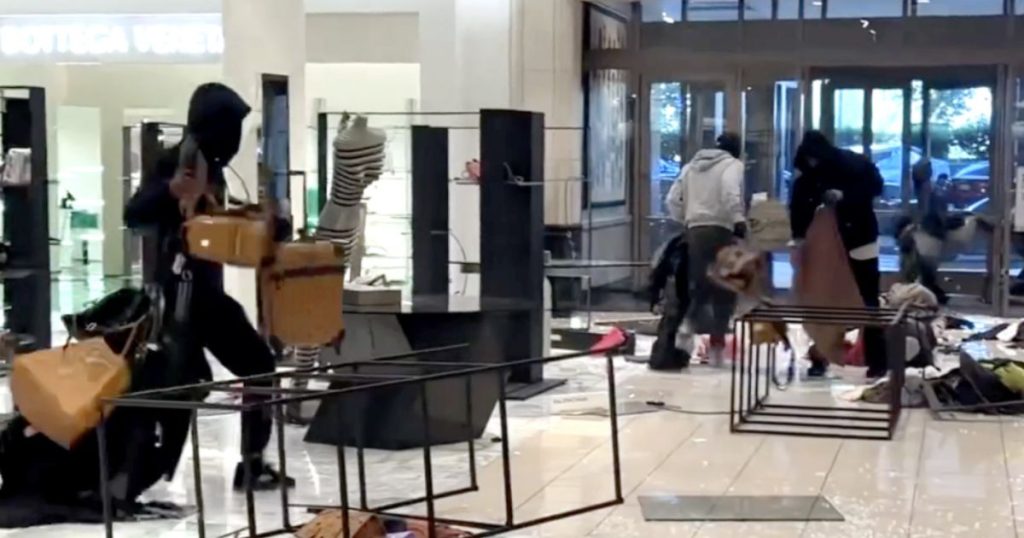
Retail theft in Stockton, California, has shifted from isolated incidents to organized, repeatable operations. In 2025, offenders move faster, coordinate smarter, and exploit predictable gaps in staffing, store layout, and after-hours protection. If you manage a boutique along Pacific Avenue, a pharmacy off Hammer Lane, a discount store near March Lane, or a multi-tenant retail center anywhere in San Joaquin County, you have likely felt the pressure: shrink up, staff anxiety up, and costs up.
The good news is that the strategies that work have evolved too. With the right mix of people, process, and technology, retailers in Stockton can reduce risk, support law enforcement more effectively, and protect team members without turning the store into a fortress. This guide explains how theft tactics are changing, what still works, and how to plug into community-level solutions like the Stockton Chamber’s STARRT program. Throughout, you will find practical steps that any local business can implement right away.
What “organized retail theft” means in 2025
Organized retail theft is not casual shoplifting. It is coordinated theft with the intent to resell, usually through online marketplaces, informal swap networks, or quick fencing operations. In 2025, Stockton businesses are seeing several repeatable patterns.
- Coordinated “push-in and grab” events. Small crews arrive in separate vehicles, enter in sequence, overwhelm one zone such as fragrance, electronics, or cold medicines, and exit through different doors to reduce the chance of a single point of intervention.
- Use of lookouts and diversions. One person distracts staff at a service counter or creates a commotion while others clear a shelf or open a locked case.
- Mapping store routines. Offenders study shift changes, lunch breaks, and delivery windows. They return when staffing is thinnest and visibility is lowest.
- Rapid online resale. Stolen goods move quickly through local social marketplaces or are shipped to out-of-area resellers within hours, which makes delayed reporting far less effective.
Understanding these patterns matters because prevention and response hinge on timing, visibility, and documentation. The faster your team can identify pattern signals, the more likely you are to deter the event or equip law enforcement with useful information.
Why Stockton’s retailers are particularly exposed
Every market has its own risk profile. Stockton’s retail corridors have several features that criminals exploit.
Proximity to freeways and arterial roads. Quick on-ramps and multiple exit routes reduce offenders’ perceived risk. If your parking lot has more than one exit to a major road, your risk window after an incident is measured in minutes.
Mixed retail footprints. Many centers combine small boutiques with national chains. Offenders target stores with fewer employees per square foot, then move merchandise through a busier anchor tenant’s lot.
Seasonal daylight changes and after-hours vulnerabilities. In fall and winter, twilight comes earlier. Parking lots, alleys, loading docks, and rear corridors become low-visibility zones if lighting is not audited and adjusted. That is why theft attempts after 5 p.m. tend to increase in the last quarter of the year.
Staffing pressure. Retailers across the Central Valley report thin evening coverage, new-hire turnover, and gaps in training for de-escalation. Offenders notice. They time entry for when the most experienced keyholder is off the floor.
None of these realities are insurmountable. They simply require a security posture built around Stockton’s specific operating conditions.
What still works: the layered security model
There is no single device, policy, or training module that solves organized retail theft. What works is a layered model that combines visible deterrence, environmental design, trained people, and tight reporting. Think of it as a security “stack.”
Visible presence: on-site guards and mobile patrols
A uniformed, well-trained security officer remains one of the most effective deterrents for coordinated theft. Presence changes offender calculus in three ways. It shortens their time on site because they expect engagement. It forces them to stay together rather than splitting across aisles where the officer cannot see them all. It increases the chance that a usable description, timeline, or vehicle detail is captured for law enforcement.
For centers that cannot staff a full-time officer at each entrance, mobile patrols provide scheduled and random drive-throughs, targeted checks of rear corridors and loading zones, and rapid after-hours response. If you manage a multi-tenant center or operate more than one location, mobile patrols can be the most economical way to maintain a visible deterrent where and when it matters. For an overview of how patrols fit multi-property operations, see our article on why mobile patrols are becoming the standard for California portfolios: Why Mobile Patrols Are Becoming the Standard for Multi-Property Businesses in California.
Environmental design: lighting, layout, and line-of-sight
Crime Prevention Through Environmental Design remains foundational. Walk your store at dusk and again after dark. Note where shadows form and which approaches to doors are hidden from the register line or cameras. Improve lighting at entries, exits, side corridors, dumpster areas, and behind the building. Trim hedges that block sightlines. Relocate high-value items away from quick exits. Small changes in layout and lighting often reduce attempts more than any single device purchase.
Technology that supports people
Cameras, alarms, and electronic article surveillance are useful only if they are paired with trained humans who monitor, respond, and document. Upgrade cameras covering entrances, cash wraps, and high-risk aisles to high dynamic range with low-light performance. Post clear signage about video recording. Confirm that footage is retained long enough to matter and that a manager can retrieve and export clips quickly. If you use a camera trailer in the lot, test its power and coverage after the time change. Passive recording is not a substitute for in-person response, but it remains a powerful force multiplier when paired with guards or patrols. For a deeper dive on the limitations of camera trailers at construction and retail sites, see: Why Camera Trailers Are Not Enough to Protect Your Site.
People and procedures: training that sticks
Train the entire team, not only managers, on three abilities. Recognize pre-incident indicators such as casing, lookouts, and diversion attempts. Respond safely using your store’s non-engagement and verbal de-escalation policies. Report accurately with usable details for law enforcement and insurance. Rehearse simple scripts that any associate can use to greet suspicious groups in a professional, policy-compliant way. The goal is not confrontation. The goal is controlled presence.
The power of a trained witness
When an incident occurs, the quality of the first report often determines whether anything can be done. A trained witness does not chase or escalate. A trained witness observes and records details that investigators can use.
Teach your team to focus on particulars that can be verified later. Shoes and hats are often swapped; tattoos, scars, gait, and speech patterns are harder to change. License plates matter, but so do vehicle make, model, color, unique bumper stickers, rims, or damage. Record direction of travel and the order in which participants left. Immediately write down times and descriptions before memory drifts.
Delta Protective Services has delivered “good witness” training across the Central Valley because it works. If your business has not yet adopted a simple witness checklist, start with our how-to guide: How to Be a Good Witness: The Skill Every California Business Owner Needs in 2025.
Community-level action: STARRT and the merchant portal
Stockton’s best results against coordinated theft come when businesses, security partners, and law enforcement move in step. That is the philosophy behind the Stockton Chamber’s STARRT initiative, where I, Lawrence Borgens, actively participate and present. The program brings retailers, the San Joaquin County District Attorney’s Office, and the Chamber together to improve reporting, share real-time intelligence, and teach practical, lawful responses that store teams can use immediately.
At recent sessions, we have covered how to capture useful descriptions without putting staff in harm’s way, how to preserve the scene after an incident, and how to avoid common documentation gaps that slow investigations. We also guide businesses through the Loss Prevention Merchant Portal in the STAART app, which enables local owners and managers to receive alerts, share trends, and flag repeat offenders. The portal is free and designed to reduce the time between an event and a usable report.
The goal is simple. Faster, clearer information leads to better decisions and more targeted patrols. Individual stores benefit, and entire retail corridors become harder to exploit.
Building a Stockton-specific retail security plan
Every store is different, but effective plans in Stockton share the same structure. They are site-specific, they assign responsibility, and they are measurable.
Conduct a quick risk assessment. Walk the interior and the exterior at open, mid-day, dusk, and close. Identify blind spots, predictable routines, and high-value zones. Note whether associates can see doors and whether managers can access camera views in real time.
Define your layered posture. Determine when you need a visible officer on site and where mobile patrols will add value. Decide which environmental upgrades will have the highest impact per dollar. Align technology settings with staffing. For example, enable alerts on cameras that cover the stockroom door after hours, and ensure a manager receives them.
Write simple post orders. If you use guards, provide clear, lawful instructions aligned with your policies and California requirements. If you rely on internal staff, write short checklists for opening, shift change, closing, and incident response. Short and specific beats long and theoretical.
Set reporting standards. Use a single, consistent incident form. Require time stamps, descriptions, photos when safe, and a short narrative. Review reports weekly to identify patterns and adjust coverage.
Coordinate with neighbors. Meet the property management team and adjacent tenants. Share non-sensitive information, agree on lighting maintenance, and coordinate signage and patrol times when possible. Criminals work the whole lot. So should you.
What to do in the first ten minutes after an incident
How you handle the first few minutes matters more than any single device. Here is a practical sequence you can adapt to your store.
Ensure safety and call 911 if there is a threat. Your team’s safety comes first. Do not pursue. Move employees and customers away from danger, and secure doors if policy allows.
Designate the recorder. One person should write down times, descriptions, and direction of travel while details are fresh. If you have a guard on site, this will likely be their role.
Preserve the scene. Do not rearrange merchandise or clean immediately. If safe, cordon off the affected area until an officer arrives or until you have captured necessary photographs and video exports for your records.
Capture and copy video. Pull the relevant camera angles now and save them to a secure drive or cloud location. Note the exact time range on your incident report.
Notify management and property security. If you are in a multi-tenant center, alert property management or your patrol provider. They can increase visibility in the area quickly and circulate non-sensitive information to other tenants.
Log the incident in your portal or reporting tool. If you participate in a merchant portal such as STAART, post the alert. The more quickly peers know what happened and what to watch for, the better.
Legal and policy considerations for California retailers
While every incident is unique, a few legal and policy guardrails help Stockton retailers stay on firm ground.
Non-engagement policies protect people and brands. Most national retailers prohibit physical engagement. Many local stores adopt a similar stance to reduce injury risk and liability. Train staff to observe and report, not to chase or restrain.
Clear trespass signage helps enforcement. Proper signage at entrances and along the perimeter gives law enforcement a stronger basis for removal when individuals refuse to leave private property. Maintain signs and ensure they are visible after dark.
Document everything. Time-stamped incident logs, photographs, and video export records form the backbone of any insurance claim or law enforcement request. Consistency beats volume. Use a single, simple form so entries are comparable.
Coordinate with your insurer. Some carriers offer premium credits or risk-control subsidies for verified security measures such as patrols, guards, or upgraded lighting. Ask your broker what qualifies.
Case example: from hot spot to hard target
A Stockton strip center with a discount retailer and a specialty pharmacy experienced a cluster of grab-and-go incidents during early evening hours. The lot had two exits to an arterial road, rear corridors were dark, and the center had no security presence after 5 p.m.
We implemented a plan in four parts. First, we added a uniformed officer during the two highest-risk blocks, 4 p.m. to 8 p.m., Thursday through Sunday. Second, we ran mobile patrols at random intervals after close to cover alleys, doors, and the dumpster enclosure. Third, property management completed a lighting audit and upgraded fixtures in the rear lanes and at secondary exits. Fourth, store teams received a one-hour good-witness refresher and a new, one-page incident form.
Within six weeks, incidents dropped sharply. Two attempted diversions were deterred by staff greeting and officer presence. One plate number and vehicle description linked suspects to an earlier theft series and was provided to law enforcement within minutes. The center remained open during previous trouble hours, and staff confidence improved.
Results like these are common when layered measures match the way offenders operate in Stockton.
How Delta Protective Services supports Stockton retailers
For more than three decades, Delta Protective Services has protected people and property in the Central Valley. Our approach is simple. We put the right person in the right place at the right time, and we back them with reporting, supervision, and practical training.
On-site retail officers. BSIS-licensed officers trained in customer communication, observation, and de-escalation provide visible deterrence and rapid, policy-compliant response.
Mobile patrols. Marked vehicles perform scheduled and randomized checks, verify doors and locks, respond to alarms, and document conditions with time-stamped reports and photos.
Security assessments. We walk the property with you, test lighting at dusk, review camera coverage, and identify small changes that yield outsized impact.
Community engagement. Through our participation in the Chamber’s STARRT program, we teach businesses how to be good witnesses, how to document, and how to share information without creating risk. Community safety improves when everyone is trained to notice and report.
If you need a structured way to evaluate your risk and prioritize next steps, start with our step-by-step assessment guide: How to Conduct Your Own Business Security Assessment.
Final thought: make your store a hard target, and join the network
Organized retail theft adapts. In 2025, so must we. The retailers that fare best in Stockton are not the ones with the flashiest devices. They are the ones that combine visible presence, smarter environments, trained people, fast reporting, and participation in a community network.
Begin with what you can control today. Audit lighting. Refresh signage. Train your team to be excellent witnesses. Add visible presence where it matters most. Plug into STARRT so you are not fighting alone.
If you believe your business is being targeted, you do not have to wait for the next incident. We can help you design a security posture that fits your footprint, schedule, and budget, and that reflects how offenders actually operate here in Stockton.
Call Delta Protective Services at (209) 547-2980 to schedule a site walk or request a custom plan. You can also learn more about mobile patrols for multi-site operations here: Why Mobile Patrols Are Becoming the Standard for Multi-Property Businesses in California.
TogethRetail theft in Stockton, California, has shifted from isolated incidents to organized, repeatable operations. In 2025, offenders move faster, coordinate smarter, and exploit predictable gaps in staffing, store layout, and after-hours protection. If you manage a boutique along Pacific Avenue, a pharmacy off Hammer Lane, a discount store near March Lane, or a multi-tenant retail center anywhere in San Joaquin County, you have likely felt the pressure: shrink up, staff anxiety up, and costs up.
The good news is that the strategies that work have evolved too. With the right mix of people, process, and technology, retailers in Stockton can reduce risk, support law enforcement more effectively, and protect team members without turning the store into a fortress. This guide explains how theft tactics are changing, what still works, and how to plug into community-level solutions like the Stockton Chamber’s STARRT program. Throughout, you will find practical steps that any local business can implement right away.
What “organized retail theft” means in 2025
Organized retail theft is not casual shoplifting. It is coordinated theft with the intent to resell, usually through online marketplaces, informal swap networks, or quick fencing operations. In 2025, Stockton businesses are seeing several repeatable patterns.
- Coordinated “push-in and grab” events. Small crews arrive in separate vehicles, enter in sequence, overwhelm one zone such as fragrance, electronics, or cold medicines, and exit through different doors to reduce the chance of a single point of intervention.
- Use of lookouts and diversions. One person distracts staff at a service counter or creates a commotion while others clear a shelf or open a locked case.
- Mapping store routines. Offenders study shift changes, lunch breaks, and delivery windows. They return when staffing is thinnest and visibility is lowest.
- Rapid online resale. Stolen goods move quickly through local social marketplaces or are shipped to out-of-area resellers within hours, which makes delayed reporting far less effective.
Understanding these patterns matters because prevention and response hinge on timing, visibility, and documentation. The faster your team can identify pattern signals, the more likely you are to deter the event or equip law enforcement with useful information.
Why Stockton’s retailers are particularly exposed
Every market has its own risk profile. Stockton’s retail corridors have several features that criminals exploit.
Proximity to freeways and arterial roads. Quick on-ramps and multiple exit routes reduce offenders’ perceived risk. If your parking lot has more than one exit to a major road, your risk window after an incident is measured in minutes.
Mixed retail footprints. Many centers combine small boutiques with national chains. Offenders target stores with fewer employees per square foot, then move merchandise through a busier anchor tenant’s lot.
Seasonal daylight changes and after-hours vulnerabilities. In fall and winter, twilight comes earlier. Parking lots, alleys, loading docks, and rear corridors become low-visibility zones if lighting is not audited and adjusted. That is why theft attempts after 5 p.m. tend to increase in the last quarter of the year.
Staffing pressure. Retailers across the Central Valley report thin evening coverage, new-hire turnover, and gaps in training for de-escalation. Offenders notice. They time entry for when the most experienced keyholder is off the floor.
None of these realities are insurmountable. They simply require a security posture built around Stockton’s specific operating conditions.
What still works: the layered security model
There is no single device, policy, or training module that solves organized retail theft. What works is a layered model that combines visible deterrence, environmental design, trained people, and tight reporting. Think of it as a security “stack.”
Visible presence: on-site guards and mobile patrols
A uniformed, well-trained security officer remains one of the most effective deterrents for coordinated theft. Presence changes offender calculus in three ways. It shortens their time on site because they expect engagement. It forces them to stay together rather than splitting across aisles where the officer cannot see them all. It increases the chance that a usable description, timeline, or vehicle detail is captured for law enforcement.
For centers that cannot staff a full-time officer at each entrance, mobile patrols provide scheduled and random drive-throughs, targeted checks of rear corridors and loading zones, and rapid after-hours response. If you manage a multi-tenant center or operate more than one location, mobile patrols can be the most economical way to maintain a visible deterrent where and when it matters. For an overview of how patrols fit multi-property operations, see our article on why mobile patrols are becoming the standard for California portfolios: Why Mobile Patrols Are Becoming the Standard for Multi-Property Businesses in California.
Environmental design: lighting, layout, and line-of-sight
Crime Prevention Through Environmental Design remains foundational. Walk your store at dusk and again after dark. Note where shadows form and which approaches to doors are hidden from the register line or cameras. Improve lighting at entries, exits, side corridors, dumpster areas, and behind the building. Trim hedges that block sightlines. Relocate high-value items away from quick exits. Small changes in layout and lighting often reduce attempts more than any single device purchase.
Technology that supports people
Cameras, alarms, and electronic article surveillance are useful only if they are paired with trained humans who monitor, respond, and document. Upgrade cameras covering entrances, cash wraps, and high-risk aisles to high dynamic range with low-light performance. Post clear signage about video recording. Confirm that footage is retained long enough to matter and that a manager can retrieve and export clips quickly. If you use a camera trailer in the lot, test its power and coverage after the time change. Passive recording is not a substitute for in-person response, but it remains a powerful force multiplier when paired with guards or patrols. For a deeper dive on the limitations of camera trailers at construction and retail sites, see: Why Camera Trailers Are Not Enough to Protect Your Site.
People and procedures: training that sticks
Train the entire team, not only managers, on three abilities. Recognize pre-incident indicators such as casing, lookouts, and diversion attempts. Respond safely using your store’s non-engagement and verbal de-escalation policies. Report accurately with usable details for law enforcement and insurance. Rehearse simple scripts that any associate can use to greet suspicious groups in a professional, policy-compliant way. The goal is not confrontation. The goal is controlled presence.
The power of a trained witness
When an incident occurs, the quality of the first report often determines whether anything can be done. A trained witness does not chase or escalate. A trained witness observes and records details that investigators can use.
Teach your team to focus on particulars that can be verified later. Shoes and hats are often swapped; tattoos, scars, gait, and speech patterns are harder to change. License plates matter, but so do vehicle make, model, color, unique bumper stickers, rims, or damage. Record direction of travel and the order in which participants left. Immediately write down times and descriptions before memory drifts.
Delta Protective Services has delivered “good witness” training across the Central Valley because it works. If your business has not yet adopted a simple witness checklist, start with our how-to guide: How to Be a Good Witness: The Skill Every California Business Owner Needs in 2025.
Community-level action: STARRT and the merchant portal
Stockton’s best results against coordinated theft come when businesses, security partners, and law enforcement move in step. That is the philosophy behind the Stockton Chamber’s STARRT initiative, where I, Lawrence Borgens, actively participate and present. The program brings retailers, the San Joaquin County District Attorney’s Office, and the Chamber together to improve reporting, share real-time intelligence, and teach practical, lawful responses that store teams can use immediately.
At recent sessions, we have covered how to capture useful descriptions without putting staff in harm’s way, how to preserve the scene after an incident, and how to avoid common documentation gaps that slow investigations. We also guide businesses through the Loss Prevention Merchant Portal in the STAART app, which enables local owners and managers to receive alerts, share trends, and flag repeat offenders. The portal is free and designed to reduce the time between an event and a usable report.
The goal is simple. Faster, clearer information leads to better decisions and more targeted patrols. Individual stores benefit, and entire retail corridors become harder to exploit.
Building a Stockton-specific retail security plan
Every store is different, but effective plans in Stockton share the same structure. They are site-specific, they assign responsibility, and they are measurable.
Conduct a quick risk assessment. Walk the interior and the exterior at open, mid-day, dusk, and close. Identify blind spots, predictable routines, and high-value zones. Note whether associates can see doors and whether managers can access camera views in real time.
Define your layered posture. Determine when you need a visible officer on site and where mobile patrols will add value. Decide which environmental upgrades will have the highest impact per dollar. Align technology settings with staffing. For example, enable alerts on cameras that cover the stockroom door after hours, and ensure a manager receives them.
Write simple post orders. If you use guards, provide clear, lawful instructions aligned with your policies and California requirements. If you rely on internal staff, write short checklists for opening, shift change, closing, and incident response. Short and specific beats long and theoretical.
Set reporting standards. Use a single, consistent incident form. Require time stamps, descriptions, photos when safe, and a short narrative. Review reports weekly to identify patterns and adjust coverage.
Coordinate with neighbors. Meet the property management team and adjacent tenants. Share non-sensitive information, agree on lighting maintenance, and coordinate signage and patrol times when possible. Criminals work the whole lot. So should you.
What to do in the first ten minutes after an incident
How you handle the first few minutes matters more than any single device. Here is a practical sequence you can adapt to your store.
Ensure safety and call 911 if there is a threat. Your team’s safety comes first. Do not pursue. Move employees and customers away from danger, and secure doors if policy allows.
Designate the recorder. One person should write down times, descriptions, and direction of travel while details are fresh. If you have a guard on site, this will likely be their role.
Preserve the scene. Do not rearrange merchandise or clean immediately. If safe, cordon off the affected area until an officer arrives or until you have captured necessary photographs and video exports for your records.
Capture and copy video. Pull the relevant camera angles now and save them to a secure drive or cloud location. Note the exact time range on your incident report.
Notify management and property security. If you are in a multi-tenant center, alert property management or your patrol provider. They can increase visibility in the area quickly and circulate non-sensitive information to other tenants.
Log the incident in your portal or reporting tool. If you participate in a merchant portal such as STAART, post the alert. The more quickly peers know what happened and what to watch for, the better.
Legal and policy considerations for California retailers
While every incident is unique, a few legal and policy guardrails help Stockton retailers stay on firm ground.
Non-engagement policies protect people and brands. Most national retailers prohibit physical engagement. Many local stores adopt a similar stance to reduce injury risk and liability. Train staff to observe and report, not to chase or restrain.
Clear trespass signage helps enforcement. Proper signage at entrances and along the perimeter gives law enforcement a stronger basis for removal when individuals refuse to leave private property. Maintain signs and ensure they are visible after dark.
Document everything. Time-stamped incident logs, photographs, and video export records form the backbone of any insurance claim or law enforcement request. Consistency beats volume. Use a single, simple form so entries are comparable.
Coordinate with your insurer. Some carriers offer premium credits or risk-control subsidies for verified security measures such as patrols, guards, or upgraded lighting. Ask your broker what qualifies.
Case example: from hot spot to hard target
A Stockton strip center with a discount retailer and a specialty pharmacy experienced a cluster of grab-and-go incidents during early evening hours. The lot had two exits to an arterial road, rear corridors were dark, and the center had no security presence after 5 p.m.
We implemented a plan in four parts. First, we added a uniformed officer during the two highest-risk blocks, 4 p.m. to 8 p.m., Thursday through Sunday. Second, we ran mobile patrols at random intervals after close to cover alleys, doors, and the dumpster enclosure. Third, property management completed a lighting audit and upgraded fixtures in the rear lanes and at secondary exits. Fourth, store teams received a one-hour good-witness refresher and a new, one-page incident form.
Within six weeks, incidents dropped sharply. Two attempted diversions were deterred by staff greeting and officer presence. One plate number and vehicle description linked suspects to an earlier theft series and was provided to law enforcement within minutes. The center remained open during previous trouble hours, and staff confidence improved.
Results like these are common when layered measures match the way offenders operate in Stockton.
How Delta Protective Services supports Stockton retailers
For more than three decades, Delta Protective Services has protected people and property in the Central Valley. Our approach is simple. We put the right person in the right place at the right time, and we back them with reporting, supervision, and practical training.
On-site retail officers. BSIS-licensed officers trained in customer communication, observation, and de-escalation provide visible deterrence and rapid, policy-compliant response.
Mobile patrols. Marked vehicles perform scheduled and randomized checks, verify doors and locks, respond to alarms, and document conditions with time-stamped reports and photos.
Security assessments. We walk the property with you, test lighting at dusk, review camera coverage, and identify small changes that yield outsized impact.
Community engagement. Through our participation in the Chamber’s STARRT program, we teach businesses how to be good witnesses, how to document, and how to share information without creating risk. Community safety improves when everyone is trained to notice and report.
If you need a structured way to evaluate your risk and prioritize next steps, start with our step-by-step assessment guide: How to Conduct Your Own Business Security Assessment.
Final thought: make your store a hard target, and join the network
Organized retail theft adapts. In 2025, so must we. The retailers that fare best in Stockton are not the ones with the flashiest devices. They are the ones that combine visible presence, smarter environments, trained people, fast reporting, and participation in a community network.
Begin with what you can control today. Audit lighting. Refresh signage. Train your team to be excellent witnesses. Add visible presence where it matters most. Plug into STARRT so you are not fighting alone.
If you believe your business is being targeted, you do not have to wait for the next incident. We can help you design a security posture that fits your footprint, schedule, and budget, and that reflects how offenders actually operate here in Stockton.
Call Delta Protective Services at (209) 547-2980 to schedule a site walk or request a custom plan. You can also learn more about mobile patrols for multi-site operations here: Why Mobile Patrols Are Becoming the Standard for Multi-Property Businesses in California.
Retail theft in Stockton, California, has shifted from isolated incidents to organized, repeatable operations. In 2025, offenders move faster, coordinate smarter, and exploit predictable gaps in staffing, store layout, and after-hours protection. If you manage a boutique along Pacific Avenue, a pharmacy off Hammer Lane, a discount store near March Lane, or a multi-tenant retail center anywhere in San Joaquin County, you have likely felt the pressure: shrink up, staff anxiety up, and costs up.
The good news is that the strategies that work have evolved too. With the right mix of people, process, and technology, retailers in Stockton can reduce risk, support law enforcement more effectively, and protect team members without turning the store into a fortress. This guide explains how theft tactics are changing, what still works, and how to plug into community-level solutions like the Stockton Chamber’s STARRT program. Throughout, you will find practical steps that any local business can implement right away.
What “organized retail theft” means in 2025
Organized retail theft is not casual shoplifting. It is coordinated theft with the intent to resell, usually through online marketplaces, informal swap networks, or quick fencing operations. In 2025, Stockton businesses are seeing several repeatable patterns.
- Coordinated “push-in and grab” events. Small crews arrive in separate vehicles, enter in sequence, overwhelm one zone such as fragrance, electronics, or cold medicines, and exit through different doors to reduce the chance of a single point of intervention.
- Use of lookouts and diversions. One person distracts staff at a service counter or creates a commotion while others clear a shelf or open a locked case.
- Mapping store routines. Offenders study shift changes, lunch breaks, and delivery windows. They return when staffing is thinnest and visibility is lowest.
- Rapid online resale. Stolen goods move quickly through local social marketplaces or are shipped to out-of-area resellers within hours, which makes delayed reporting far less effective.
Understanding these patterns matters because prevention and response hinge on timing, visibility, and documentation. The faster your team can identify pattern signals, the more likely you are to deter the event or equip law enforcement with useful information.
Why Stockton’s retailers are particularly exposed
Every market has its own risk profile. Stockton’s retail corridors have several features that criminals exploit.
Proximity to freeways and arterial roads. Quick on-ramps and multiple exit routes reduce offenders’ perceived risk. If your parking lot has more than one exit to a major road, your risk window after an incident is measured in minutes.
Mixed retail footprints. Many centers combine small boutiques with national chains. Offenders target stores with fewer employees per square foot, then move merchandise through a busier anchor tenant’s lot.
Seasonal daylight changes and after-hours vulnerabilities. In fall and winter, twilight comes earlier. Parking lots, alleys, loading docks, and rear corridors become low-visibility zones if lighting is not audited and adjusted. That is why theft attempts after 5 p.m. tend to increase in the last quarter of the year.
Staffing pressure. Retailers across the Central Valley report thin evening coverage, new-hire turnover, and gaps in training for de-escalation. Offenders notice. They time entry for when the most experienced keyholder is off the floor.
None of these realities are insurmountable. They simply require a security posture built around Stockton’s specific operating conditions.
What still works: the layered security model
There is no single device, policy, or training module that solves organized retail theft. What works is a layered model that combines visible deterrence, environmental design, trained people, and tight reporting. Think of it as a security “stack.”
Visible presence: on-site guards and mobile patrols
A uniformed, well-trained security officer remains one of the most effective deterrents for coordinated theft. Presence changes offender calculus in three ways. It shortens their time on site because they expect engagement. It forces them to stay together rather than splitting across aisles where the officer cannot see them all. It increases the chance that a usable description, timeline, or vehicle detail is captured for law enforcement.
For centers that cannot staff a full-time officer at each entrance, mobile patrols provide scheduled and random drive-throughs, targeted checks of rear corridors and loading zones, and rapid after-hours response. If you manage a multi-tenant center or operate more than one location, mobile patrols can be the most economical way to maintain a visible deterrent where and when it matters. For an overview of how patrols fit multi-property operations, see our article on why mobile patrols are becoming the standard for California portfolios: Why Mobile Patrols Are Becoming the Standard for Multi-Property Businesses in California.
Environmental design: lighting, layout, and line-of-sight
Crime Prevention Through Environmental Design remains foundational. Walk your store at dusk and again after dark. Note where shadows form and which approaches to doors are hidden from the register line or cameras. Improve lighting at entries, exits, side corridors, dumpster areas, and behind the building. Trim hedges that block sightlines. Relocate high-value items away from quick exits. Small changes in layout and lighting often reduce attempts more than any single device purchase.
Technology that supports people
Cameras, alarms, and electronic article surveillance are useful only if they are paired with trained humans who monitor, respond, and document. Upgrade cameras covering entrances, cash wraps, and high-risk aisles to high dynamic range with low-light performance. Post clear signage about video recording. Confirm that footage is retained long enough to matter and that a manager can retrieve and export clips quickly. If you use a camera trailer in the lot, test its power and coverage after the time change. Passive recording is not a substitute for in-person response, but it remains a powerful force multiplier when paired with guards or patrols. For a deeper dive on the limitations of camera trailers at construction and retail sites, see: Why Camera Trailers Are Not Enough to Protect Your Site.
People and procedures: training that sticks
Train the entire team, not only managers, on three abilities. Recognize pre-incident indicators such as casing, lookouts, and diversion attempts. Respond safely using your store’s non-engagement and verbal de-escalation policies. Report accurately with usable details for law enforcement and insurance. Rehearse simple scripts that any associate can use to greet suspicious groups in a professional, policy-compliant way. The goal is not confrontation. The goal is controlled presence.
The power of a trained witness
When an incident occurs, the quality of the first report often determines whether anything can be done. A trained witness does not chase or escalate. A trained witness observes and records details that investigators can use.
Teach your team to focus on particulars that can be verified later. Shoes and hats are often swapped; tattoos, scars, gait, and speech patterns are harder to change. License plates matter, but so do vehicle make, model, color, unique bumper stickers, rims, or damage. Record direction of travel and the order in which participants left. Immediately write down times and descriptions before memory drifts.
Delta Protective Services has delivered “good witness” training across the Central Valley because it works. If your business has not yet adopted a simple witness checklist, start with our how-to guide: How to Be a Good Witness: The Skill Every California Business Owner Needs in 2025.
Community-level action: STARRT and the merchant portal
Stockton’s best results against coordinated theft come when businesses, security partners, and law enforcement move in step. That is the philosophy behind the Stockton Chamber’s STARRT initiative, where I, Lawrence Borgens, actively participate and present. The program brings retailers, the San Joaquin County District Attorney’s Office, and the Chamber together to improve reporting, share real-time intelligence, and teach practical, lawful responses that store teams can use immediately.
At recent sessions, we have covered how to capture useful descriptions without putting staff in harm’s way, how to preserve the scene after an incident, and how to avoid common documentation gaps that slow investigations. We also guide businesses through the Loss Prevention Merchant Portal in the STAART app, which enables local owners and managers to receive alerts, share trends, and flag repeat offenders. The portal is free and designed to reduce the time between an event and a usable report.
The goal is simple. Faster, clearer information leads to better decisions and more targeted patrols. Individual stores benefit, and entire retail corridors become harder to exploit.
Building a Stockton-specific retail security plan
Every store is different, but effective plans in Stockton share the same structure. They are site-specific, they assign responsibility, and they are measurable.
Conduct a quick risk assessment. Walk the interior and the exterior at open, mid-day, dusk, and close. Identify blind spots, predictable routines, and high-value zones. Note whether associates can see doors and whether managers can access camera views in real time.
Define your layered posture. Determine when you need a visible officer on site and where mobile patrols will add value. Decide which environmental upgrades will have the highest impact per dollar. Align technology settings with staffing. For example, enable alerts on cameras that cover the stockroom door after hours, and ensure a manager receives them.
Write simple post orders. If you use guards, provide clear, lawful instructions aligned with your policies and California requirements. If you rely on internal staff, write short checklists for opening, shift change, closing, and incident response. Short and specific beats long and theoretical.
Set reporting standards. Use a single, consistent incident form. Require time stamps, descriptions, photos when safe, and a short narrative. Review reports weekly to identify patterns and adjust coverage.
Coordinate with neighbors. Meet the property management team and adjacent tenants. Share non-sensitive information, agree on lighting maintenance, and coordinate signage and patrol times when possible. Criminals work the whole lot. So should you.
What to do in the first ten minutes after an incident
How you handle the first few minutes matters more than any single device. Here is a practical sequence you can adapt to your store.
Ensure safety and call 911 if there is a threat. Your team’s safety comes first. Do not pursue. Move employees and customers away from danger, and secure doors if policy allows.
Designate the recorder. One person should write down times, descriptions, and direction of travel while details are fresh. If you have a guard on site, this will likely be their role.
Preserve the scene. Do not rearrange merchandise or clean immediately. If safe, cordon off the affected area until an officer arrives or until you have captured necessary photographs and video exports for your records.
Capture and copy video. Pull the relevant camera angles now and save them to a secure drive or cloud location. Note the exact time range on your incident report.
Notify management and property security. If you are in a multi-tenant center, alert property management or your patrol provider. They can increase visibility in the area quickly and circulate non-sensitive information to other tenants.
Log the incident in your portal or reporting tool. If you participate in a merchant portal such as STAART, post the alert. The more quickly peers know what happened and what to watch for, the better.
Legal and policy considerations for California retailers
While every incident is unique, a few legal and policy guardrails help Stockton retailers stay on firm ground.
Non-engagement policies protect people and brands. Most national retailers prohibit physical engagement. Many local stores adopt a similar stance to reduce injury risk and liability. Train staff to observe and report, not to chase or restrain.
Clear trespass signage helps enforcement. Proper signage at entrances and along the perimeter gives law enforcement a stronger basis for removal when individuals refuse to leave private property. Maintain signs and ensure they are visible after dark.
Document everything. Time-stamped incident logs, photographs, and video export records form the backbone of any insurance claim or law enforcement request. Consistency beats volume. Use a single, simple form so entries are comparable.
Coordinate with your insurer. Some carriers offer premium credits or risk-control subsidies for verified security measures such as patrols, guards, or upgraded lighting. Ask your broker what qualifies.
Case example: from hot spot to hard target
A Stockton strip center with a discount retailer and a specialty pharmacy experienced a cluster of grab-and-go incidents during early evening hours. The lot had two exits to an arterial road, rear corridors were dark, and the center had no security presence after 5 p.m.
We implemented a plan in four parts. First, we added a uniformed officer during the two highest-risk blocks, 4 p.m. to 8 p.m., Thursday through Sunday. Second, we ran mobile patrols at random intervals after close to cover alleys, doors, and the dumpster enclosure. Third, property management completed a lighting audit and upgraded fixtures in the rear lanes and at secondary exits. Fourth, store teams received a one-hour good-witness refresher and a new, one-page incident form.
Within six weeks, incidents dropped sharply. Two attempted diversions were deterred by staff greeting and officer presence. One plate number and vehicle description linked suspects to an earlier theft series and was provided to law enforcement within minutes. The center remained open during previous trouble hours, and staff confidence improved.
Results like these are common when layered measures match the way offenders operate in Stockton.
How Delta Protective Services supports Stockton retailers
For more than three decades, Delta Protective Services has protected people and property in the Central Valley. Our approach is simple. We put the right person in the right place at the right time, and we back them with reporting, supervision, and practical training.
On-site retail officers. BSIS-licensed officers trained in customer communication, observation, and de-escalation provide visible deterrence and rapid, policy-compliant response.
Mobile patrols. Marked vehicles perform scheduled and randomized checks, verify doors and locks, respond to alarms, and document conditions with time-stamped reports and photos.
Security assessments. We walk the property with you, test lighting at dusk, review camera coverage, and identify small changes that yield outsized impact.
Community engagement. Through our participation in the Chamber’s STARRT program, we teach businesses how to be good witnesses, how to document, and how to share information without creating risk. Community safety improves when everyone is trained to notice and report.
If you need a structured way to evaluate your risk and prioritize next steps, start with our step-by-step assessment guide: How to Conduct Your Own Business Security Assessment.
Final thought: make your store a hard target, and join the network
Organized retail theft adapts. In 2025, so must we. The retailers that fare best in Stockton are not the ones with the flashiest devices. They are the ones that combine visible presence, smarter environments, trained people, fast reporting, and participation in a community network.
Begin with what you can control today. Audit lighting. Refresh signage. Train your team to be excellent witnesses. Add visible presence where it matters most. Plug into STARRT so you are not fighting alone.
If you believe your business is being targeted, you do not have to wait for the next incident. We can help you design a security posture that fits your footprint, schedule, and budget, and that reflects how offenders actually operate here in Stockton.
Call Delta Protective Services at (209) 547-2980 to schedule a site walk or request a custom plan. You can also learn more about mobile patrols for multi-site operations here: Why Mobile Patrols Are Becoming the Standard for Multi-Property Businesses in California.
Together, we can make your store a hard target and keep Stockton’s retail corridors open, welcoming, and safe.
Image Source