
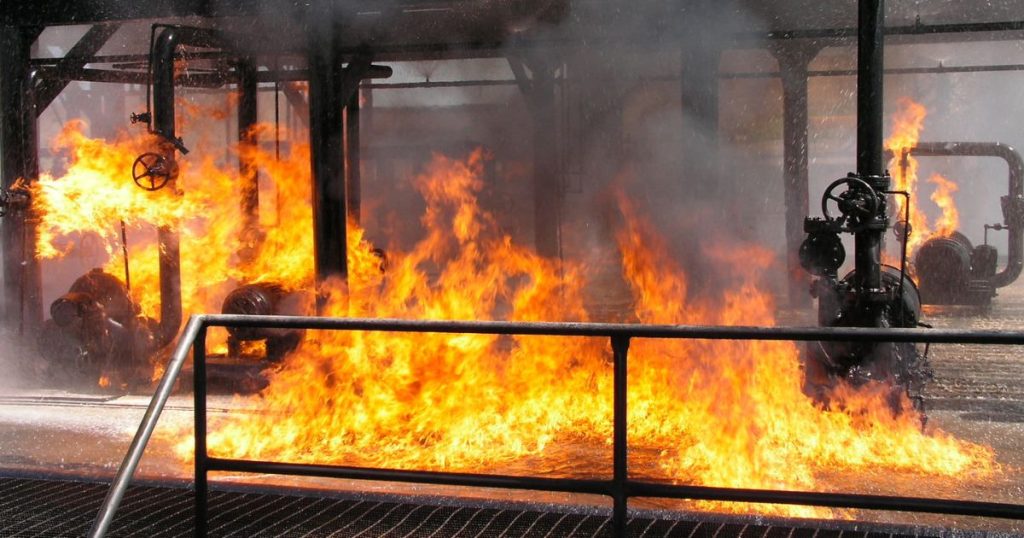
Hot weather does more than make employees uncomfortable and utility bills higher. For commercial property owners, warehouse managers, business owners, and facility directors, extreme heat can increase the risk of fires, equipment failure, property damage, after-hours vulnerability, and operational disruption.
In California, summer heat can be especially concerning for businesses with large buildings, exterior storage, electrical systems, dry landscaping, dumpsters, loading docks, warehouses, construction materials, vehicles, or vacant spaces. When high temperatures combine with poor maintenance, dry vegetation, electrical strain, and limited after-hours visibility, a small issue can become a costly emergency.
That is why hot weather commercial building fire risks should be part of every summer security and safety plan.
A business does not have to be in a high-fire zone to face fire-related property loss. Fires can start from electrical problems, improper storage, overheated equipment, outdoor debris, vehicles, unauthorized activity, or dry vegetation near the building. The danger increases when no one is on-site to notice the warning signs.
For commercial properties, summer risk is not just about heat. It is about what heat does to the entire property environment.
Why Hot Weather Creates More Risk for Commercial Buildings
Commercial buildings often have more risk factors than owners realize.
A business property may include HVAC systems, electrical panels, exterior lighting, delivery areas, dumpsters, landscaping, storage containers, parked vehicles, dry brush, pallets, batteries, machinery, and security gates. During hot weather, these systems and materials can be stressed in different ways.
Heat can increase property risk by:
- Increasing electrical demand
- Drying out vegetation and debris
- Straining HVAC systems
- Creating unsafe working conditions
- Increasing fire risk around outdoor storage
- Making vacant properties more vulnerable
- Reducing after-hours visibility if systems fail
- Creating more opportunity for delayed detection
OSHA notes that heat-related illness is preventable and that employers should include heat prevention in a broader workplace safety and health program. While OSHA’s guidance focuses heavily on worker safety, the same principle applies to property protection: heat should be planned for before it becomes an emergency. You can review OSHA’s heat safety guidance here: https://www.osha.gov/heat-exposure/
The businesses that handle summer risk best are usually the ones that treat hot weather as a predictable seasonal threat, not an unexpected inconvenience.
Electrical Systems Work Harder During Heat
One of the most important hot weather risks for commercial buildings is electrical strain.
During summer, air conditioning systems often run longer and harder. Businesses may use more fans, refrigeration, lighting, charging stations, and equipment. Warehouses and industrial properties may have machinery operating in hotter conditions. Retail centers may experience heavier customer traffic and higher cooling demand.
This can place added pressure on electrical systems.
Potential warning signs include:
- Flickering lights
- Tripped breakers
- Warm outlets or panels
- Burning smells
- Buzzing sounds
- Overloaded extension cords
- Damaged wiring
- Poorly maintained equipment
Electrical issues should never be ignored. A small warning sign can point to a larger hazard, especially when systems are under heat-related stress.
Commercial property owners should schedule regular inspections with qualified professionals and make sure electrical panels, equipment rooms, and utility areas remain clear and accessible. Security patrols and facility walkthroughs can also help identify visible concerns after hours, such as unusual odors, smoke, damaged exterior panels, or equipment running when it should not be.
The goal is early detection.
A problem found at 8 p.m. during a patrol check is easier to manage than a fire discovered the next morning.
Dry Vegetation and Exterior Debris Can Become Fire Hazards
Hot weather dries out landscaping, grass, weeds, leaves, and debris around commercial buildings. When dry materials collect near fences, dumpsters, exterior walls, storage areas, or parking lots, they can create unnecessary fire risk.
This is especially important for:
- Warehouses
- Industrial properties
- Construction sites
- Vacant buildings
- Retail centers
- Business parks
- Properties near open land
- Buildings with exterior storage
- Multi-tenant commercial properties
Exterior areas often get less attention than interior spaces, but many fire hazards begin outside.
Business owners should look for:
- Dry brush near the building
- Trash near exterior walls
- Pallets stored too close to structures
- Overflowing dumpsters
- Discarded cigarettes
- Dry leaves near HVAC units
- Abandoned items around the property
- Unauthorized camps or signs of trespassing
- Combustible materials near fences or gates
Good housekeeping is not just about appearance. It is part of fire prevention.
Facility teams should remove debris, trim vegetation, secure dumpsters, and keep combustible materials away from buildings. Exterior checks should happen more often during periods of extreme heat, especially before holiday weekends or closures.
For additional guidance on reducing commercial fire and property loss exposure, this related Delta Protective Services article is a helpful resource: How Warehouses Can Reduce Fire Risk, Property Loss, and After-Hours Vulnerability.
HVAC Strain Can Create Safety and Operational Problems
When temperatures rise, HVAC systems become critical to business operations.
If an HVAC system fails during a heat wave, the impact can be bigger than discomfort. It can affect employees, customers, inventory, equipment, refrigeration, electronics, and building safety. In some businesses, a cooling failure can interrupt operations completely.
Hot interior conditions can also increase risk for employees, especially in warehouses, kitchens, manufacturing spaces, storage areas, and buildings with limited airflow.
Business owners should not wait until equipment fails.
Before and during summer, commercial properties should review:
- HVAC maintenance schedules
- Filter replacement
- Thermostat settings
- Ventilation
- Backup cooling plans
- Equipment room temperatures
- Employee heat safety procedures
- Emergency contact lists for repairs
In many cases, HVAC problems also create security issues. When a building becomes too hot, doors may be propped open. Employees may move work outside. Access points may be left unsecured for airflow or convenience. That creates opportunity for unauthorized entry.
Comfort, safety, and security are connected.
Vacant Properties Become More Vulnerable in Hot Weather
Vacant or underused commercial properties can become serious fire and property risks during summer.
An empty building may not have regular foot traffic, active employees, or daily supervision. That means problems can go unnoticed longer. A broken window, damaged door, dry debris pile, trespassing activity, or small exterior fire can escalate quickly when no one is checking the property.
Hot weather can make these risks worse.
Vacant properties may face:
- Trespassing
- Vandalism
- Illegal dumping
- Graffiti
- Fire-setting
- Dry vegetation buildup
- Broken windows or doors
- Unsecured access points
- Delayed fire detection
The property may be empty, but the liability is not.
Owners should schedule regular inspections and consider mobile patrols for vacant or partially occupied buildings. A patrol officer can check doors, gates, windows, parking areas, dumpsters, and exterior conditions. They can also document changes with photos, which can help owners identify recurring problems before they become expensive.
After-Hours Risk Increases During Summer
Many commercial property incidents happen after normal business hours.
During hot weather, after-hours risk can increase because employees are gone, temperatures remain high, and property conditions can change quickly. A small exterior fire, suspicious vehicle, damaged gate, open door, or signs of trespassing may not be noticed until morning.
That delay can cost a business dearly.
After-hours vulnerabilities may include:
- Unsecured doors
- Poor lighting
- Exterior storage areas
- Loading docks
- Trailer yards
- Dumpster areas
- Parking lots
- Vacant units
- Dry landscaping
- Damaged fences
- Mechanical or electrical problems
Security cameras can help, but cameras alone are not always enough. A camera may record suspicious activity, but it does not physically inspect the property, smell smoke, secure a door, move people away from a dangerous area, or contact emergency services unless someone is monitoring and responding.
That is where mobile patrols can help.
A patrol officer can physically check the property, document hazards, verify access points, and respond to unusual activity. For businesses dealing with trespassing or repeated after-hours concerns, this DPS article may also be useful: Why Security Patrols Are Now a Must-Have for Businesses Affected by Homelessness.
Outdoor Storage Can Become a Hidden Fire Risk
Many commercial properties use outdoor areas for storage. This can include pallets, packaging materials, equipment, trailers, containers, fuel, scrap materials, vehicles, or construction supplies.
During hot weather, outdoor storage areas need extra attention.
Combustible materials stored outside can become more dangerous when they are dry, poorly organized, or placed too close to buildings. If these areas are not monitored, they can also attract trespassing, theft, dumping, or vandalism.
Business owners should review:
- What is stored outside
- How close materials are to the building
- Whether storage areas are secured
- Whether cameras cover the area
- Whether lighting is adequate
- Whether fire lanes remain clear
- Whether dumpsters are locked or monitored
- Whether dry debris is being removed
FM provides property loss prevention data sheets designed to help businesses reduce loss from fire, weather, and equipment failure. Business owners can explore those resources here: https://www.fm.com/resources/fm-data-sheets
The key point is simple: outdoor storage should never be treated as “out of sight, out of mind.”
In summer, exterior storage can quickly become one of the most vulnerable areas on the property.
Power Outages Can Create Security Gaps
Hot weather often increases demand on the power grid. When power outages happen, commercial buildings can face both operational and security problems.
A power outage may affect:
- Exterior lighting
- Security cameras
- Access control systems
- Alarms
- Refrigeration
- HVAC systems
- Electronic locks
- Communication systems
- Fire detection equipment
Even a short outage can create confusion, especially after hours.
Business owners should know what systems remain active during a power outage and what backup plans are in place. Backup batteries, generators, emergency lighting, updated contact lists, and patrol response plans can make a major difference.
If cameras or alarms go down, a physical patrol may be needed to verify the property is secure. If exterior lighting fails, trespassing and theft risks may increase. If HVAC systems shut down, interior heat may rise quickly.
Power outages are not only an operations issue. They are also a property protection issue.
Employee Heat Safety Affects Property Security
Hot weather can affect employee focus, decision-making, and safety.
When employees are overheated, tired, rushed, or uncomfortable, mistakes are more likely. Doors may be left open. Equipment may not be shut down properly. Trash may not be cleared. A warning sign may be missed. Closing procedures may be shortened.
Employee safety and property security are connected.
Businesses should make sure employees understand summer procedures, including:
- How to report heat concerns
- How to report fire hazards
- Who to contact after hours
- How to secure doors and gates
- Where not to store combustible materials
- What to do if they smell smoke or see sparks
- How to report suspicious activity
This matters even more when seasonal staff, temporary workers, or vacation coverage is involved. Newer employees may not know what “normal” looks like on the property, which makes training even more important.
Cameras and Lighting Need a Summer Check
Summer is a good time to inspect cameras and exterior lighting.
Heat, dust, landscaping, sun glare, insects, and property changes can all reduce visibility. A camera that worked well in spring may not capture useful footage in July if a tree has grown, a storage container has been moved, or glare affects the image during certain hours.
Business owners should check:
- Camera angles
- Lens clarity
- Night visibility
- Lighting coverage
- Blind spots
- Recording quality
- Backup power
- Remote access
- Motion alerts
- Obstructions from landscaping or storage
Lighting should also be reviewed after dark. A property can look secure during the day but reveal major blind spots at night.
Good lighting helps cameras capture clearer footage. It also helps employees, customers, patrol officers, and emergency responders see what is happening.
Practical Steps to Reduce Hot Weather Property Risk
Reducing hot weather commercial building fire risks does not require panic. It requires consistent attention.
Start with a summer property walkthrough. Check the building during business hours and after dark. Look for fire hazards, security gaps, and maintenance concerns.
Focus on these key actions:
- Remove dry vegetation and debris
- Keep dumpsters away from buildings when possible
- Clear exterior walls of combustible materials
- Inspect electrical systems and equipment
- Confirm HVAC maintenance is current
- Check cameras and exterior lighting
- Secure vacant or underused areas
- Review after-hours access points
- Update emergency contacts
- Train employees on reporting procedures
- Schedule patrols for high-risk times
- Document concerns with photos and reports
The goal is to reduce preventable risk before hot weather exposes weak spots.
The Bottom Line
Hot weather can increase fire and property risks for commercial buildings in ways many business owners do not expect.
Electrical systems work harder. Dry vegetation becomes more dangerous. HVAC systems are under pressure. Outdoor storage areas become more vulnerable. Power outages can create security gaps. Vacant properties can attract unwanted activity. After-hours incidents may go unnoticed longer.
The businesses that protect themselves best are the ones that plan before the problem happens.
Walk the property. Check the exterior. Maintain critical systems. Train employees. Monitor cameras. Improve lighting. Secure access points. Use patrols when needed. Document concerns. Make seasonal adjustments before heat creates bigger problems.
Hot weather is predictable.
Property loss does not have to be.